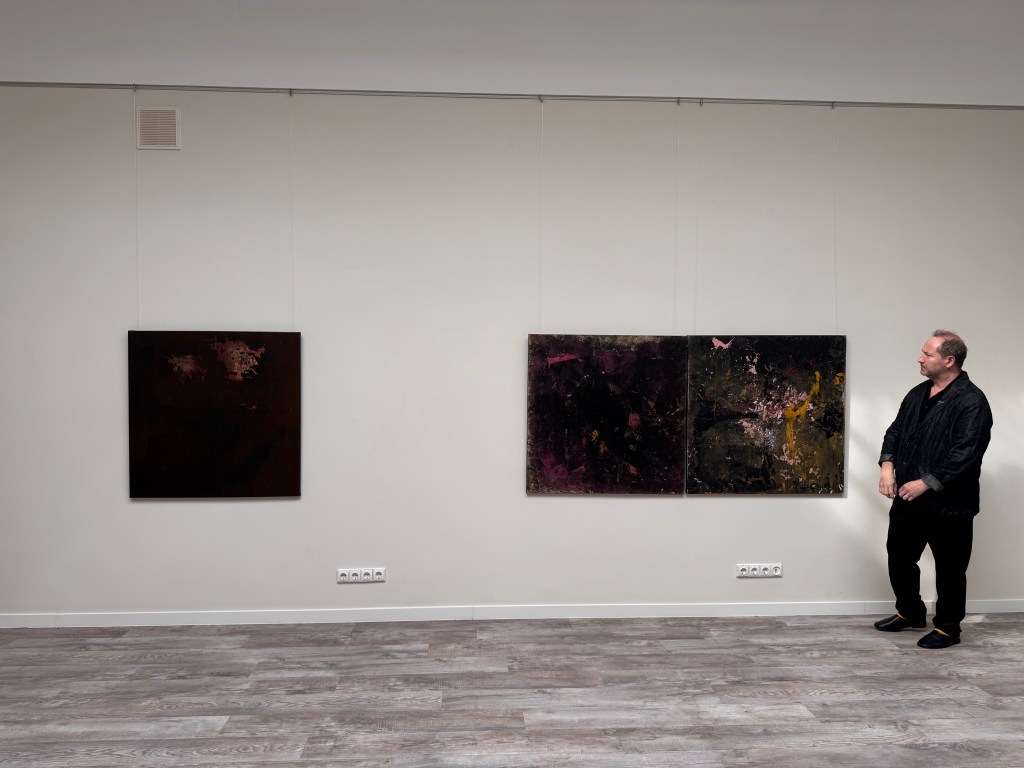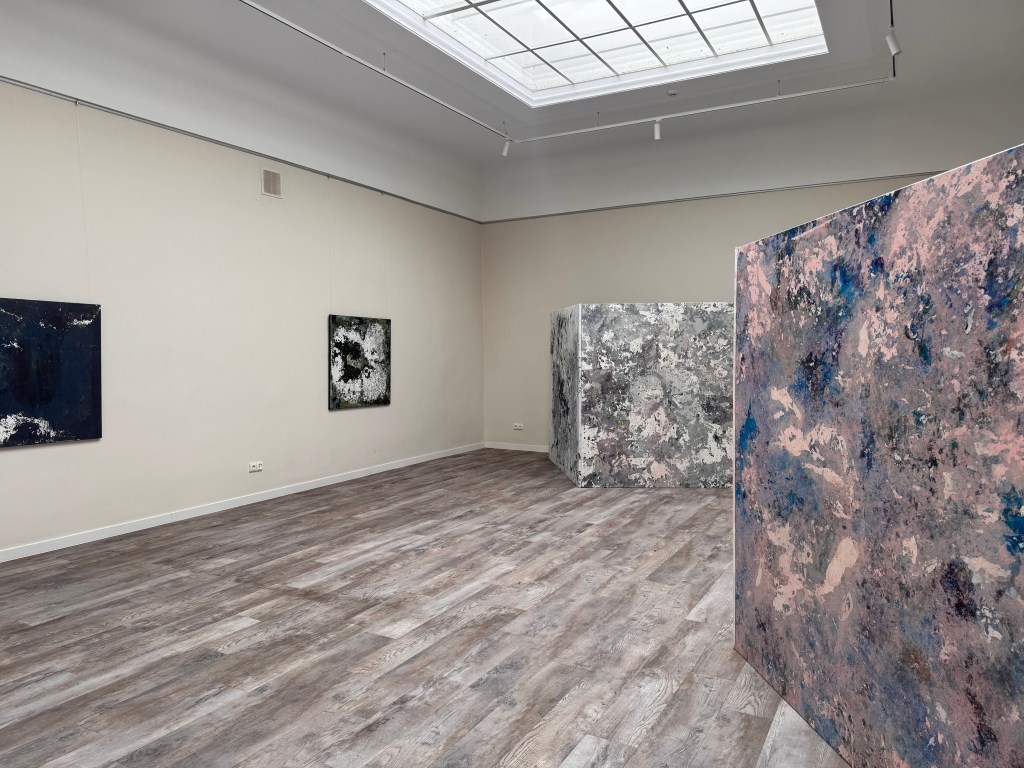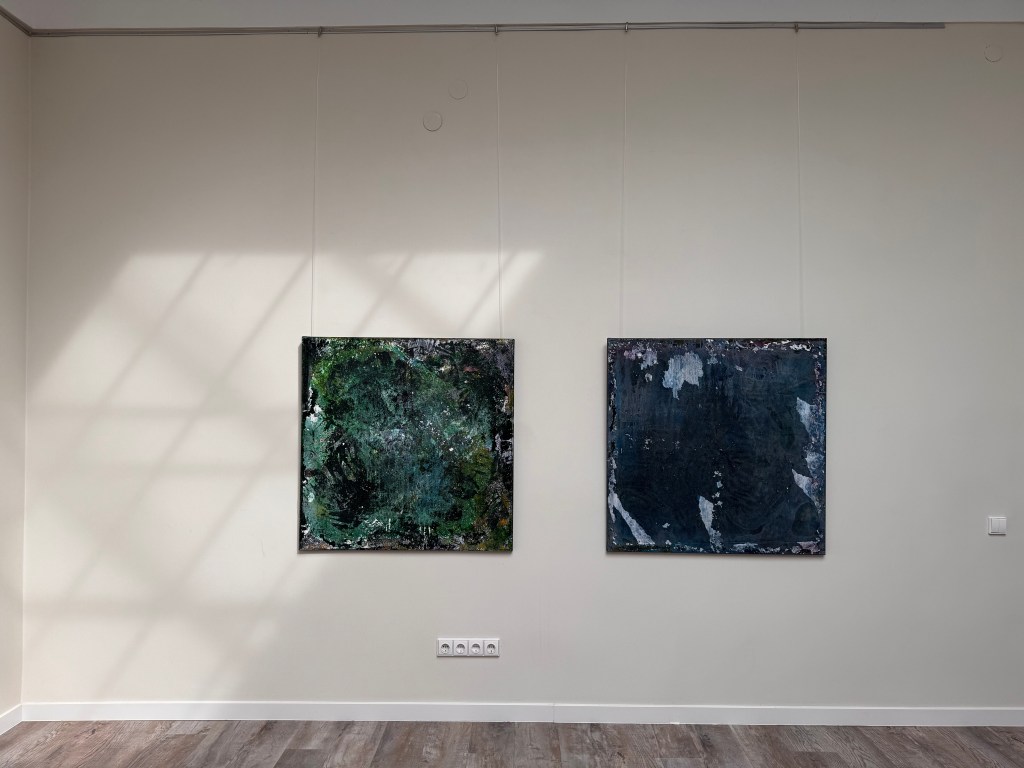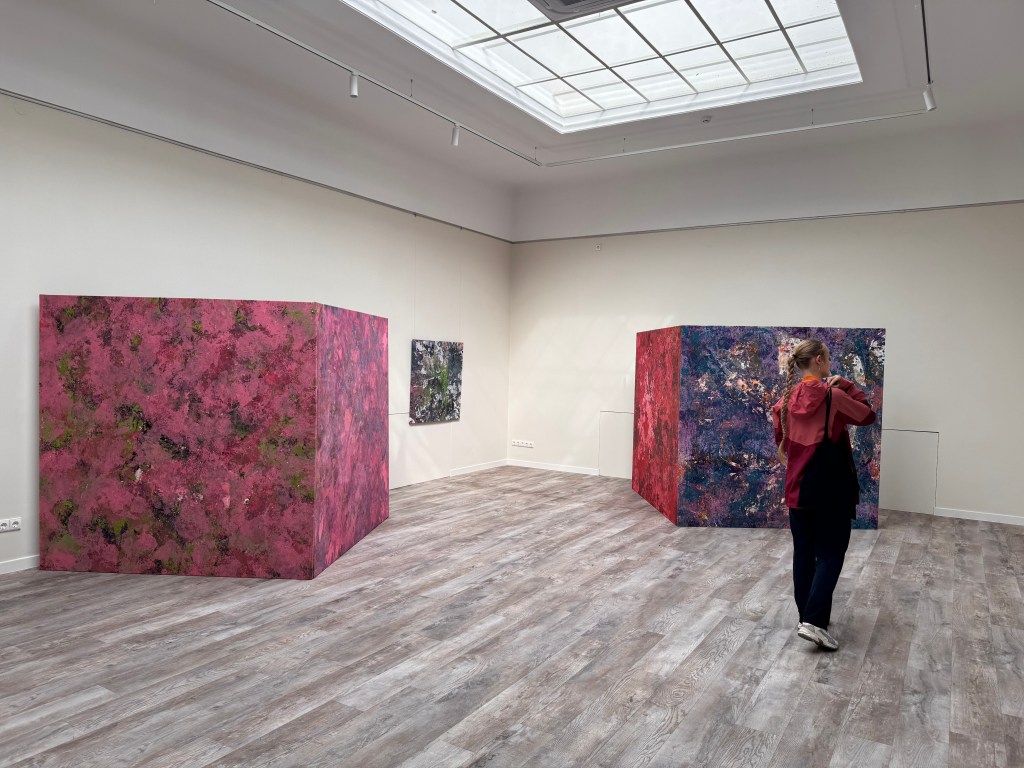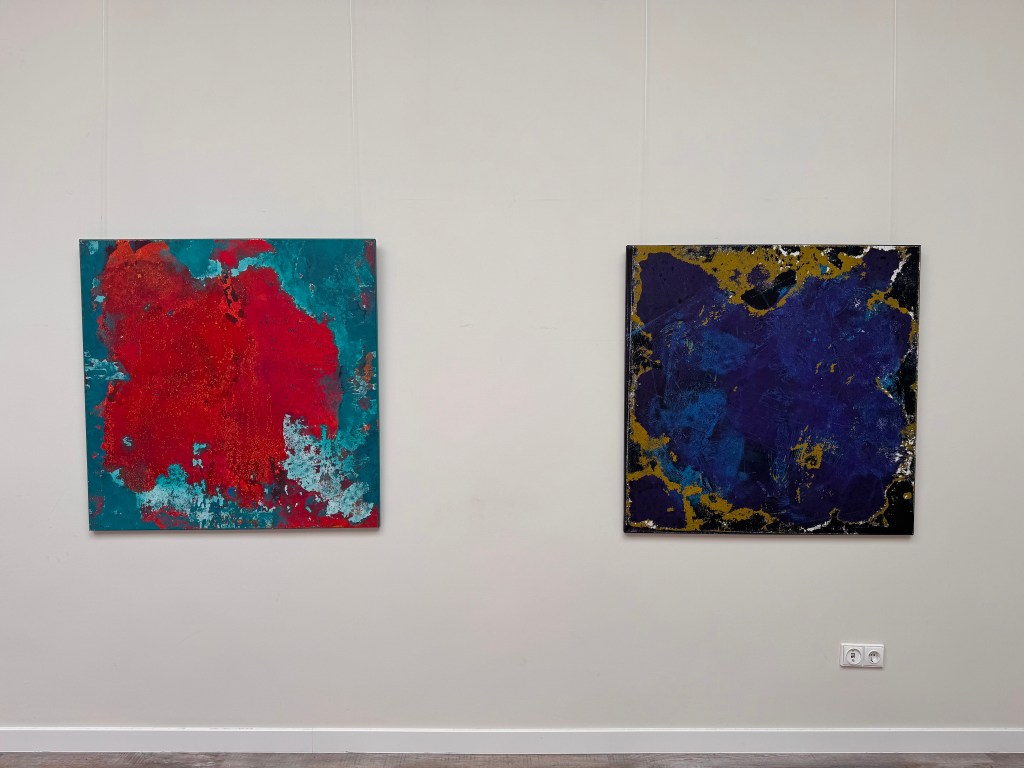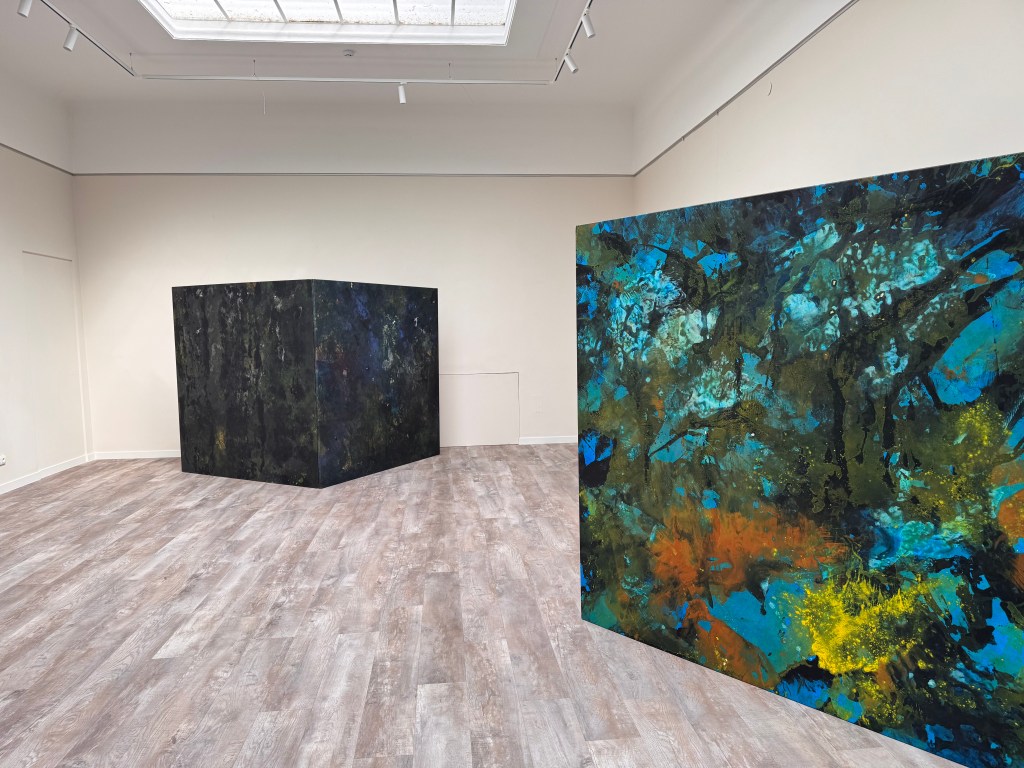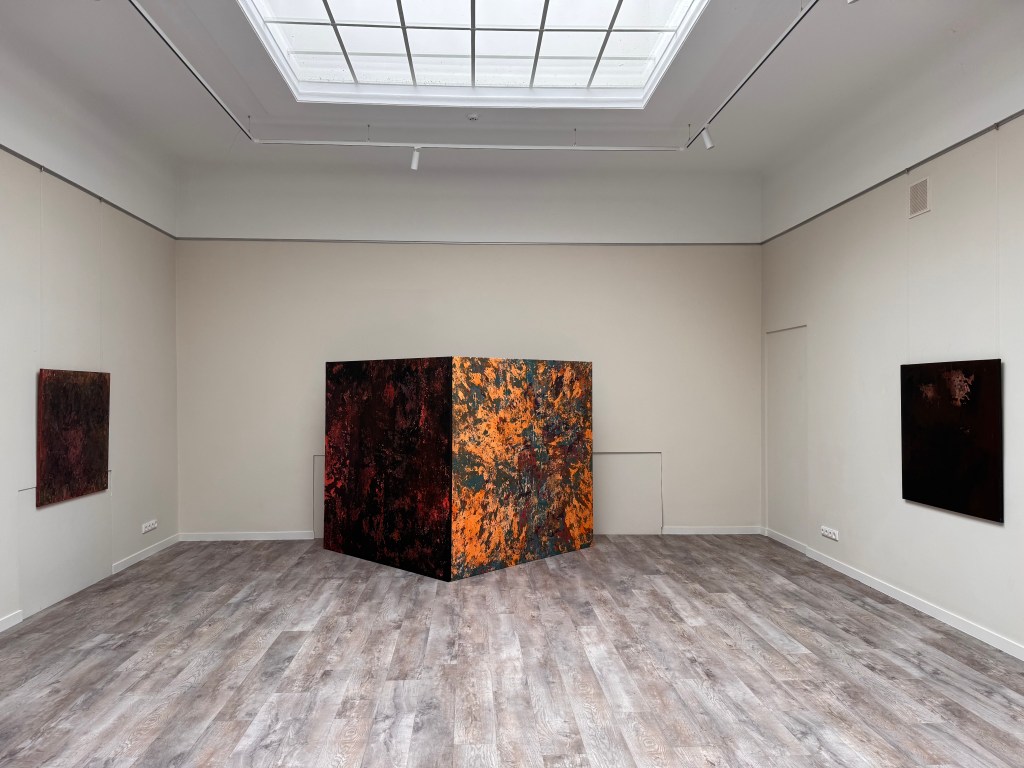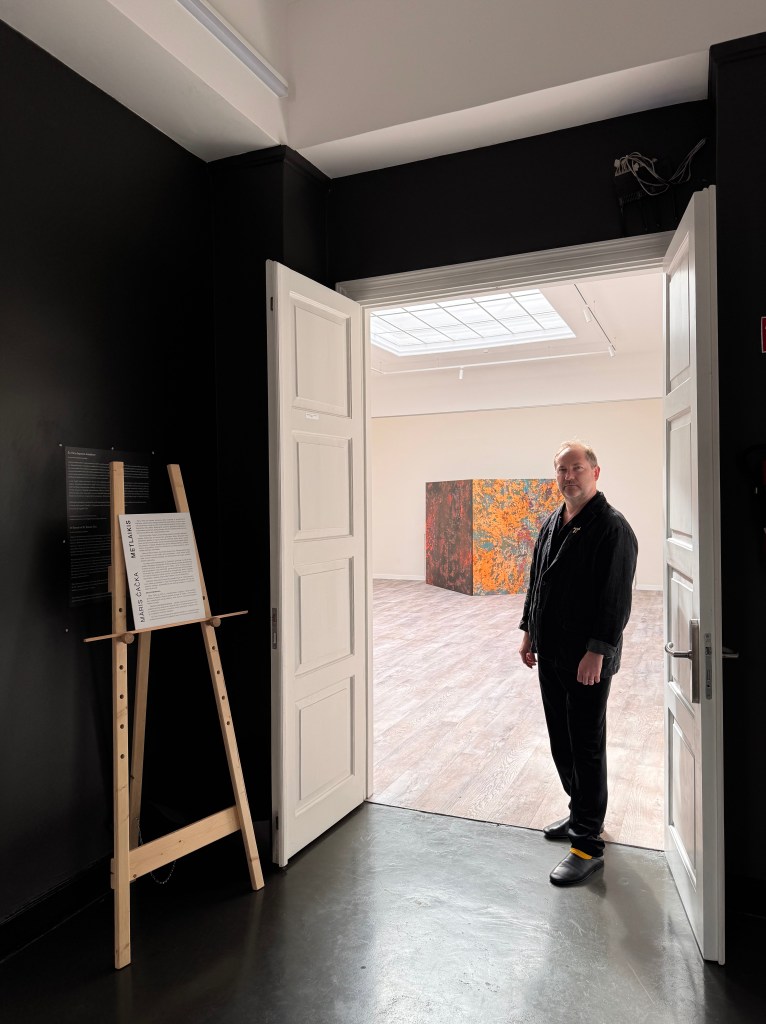
From 1 to 30 September 2026, the Čiurlionis Gallery at the Arts Academy of Kauno kolegija in Kaunas, Lithuania, presents Metlaikis, a solo painting exhibition by Latvian artist Māris Čačka.
The seasons are among the oldest reference points through which people perceive and structure time, giving meaning to its passage. They mark a continuous cycle of change in which transformation becomes a natural part of the world’s order. Each season, distinguished by its particular natural conditions and qualities of light, affects human experience. The natural environment thus becomes a space not only for perceiving reality but also for self-reflection.
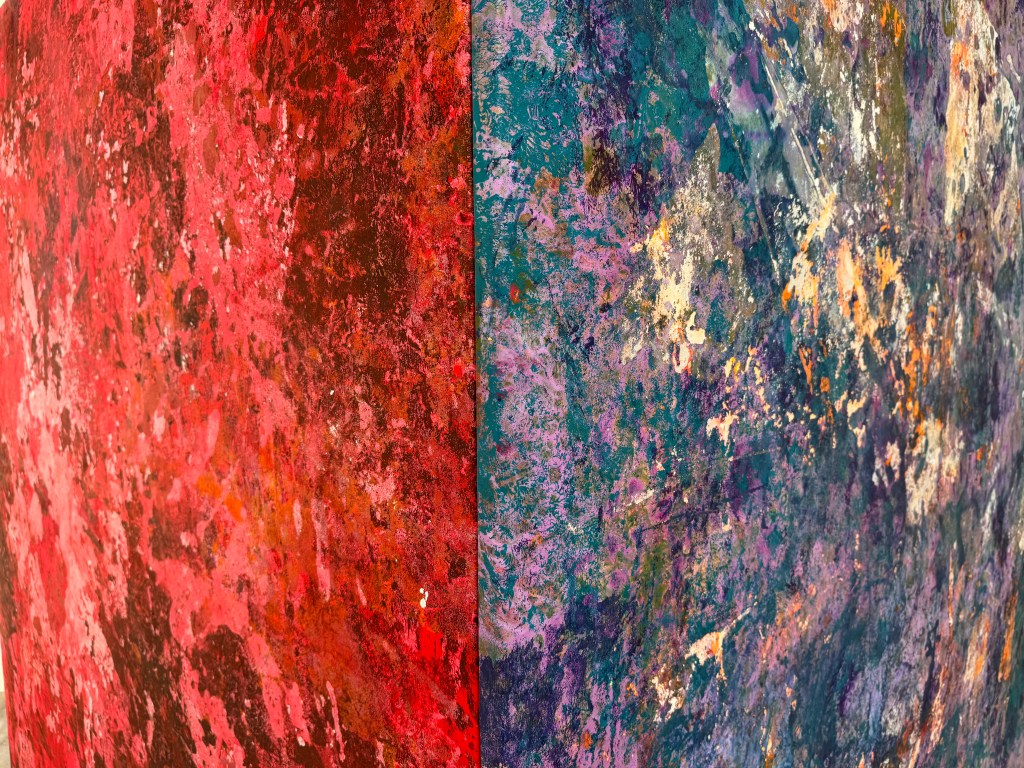
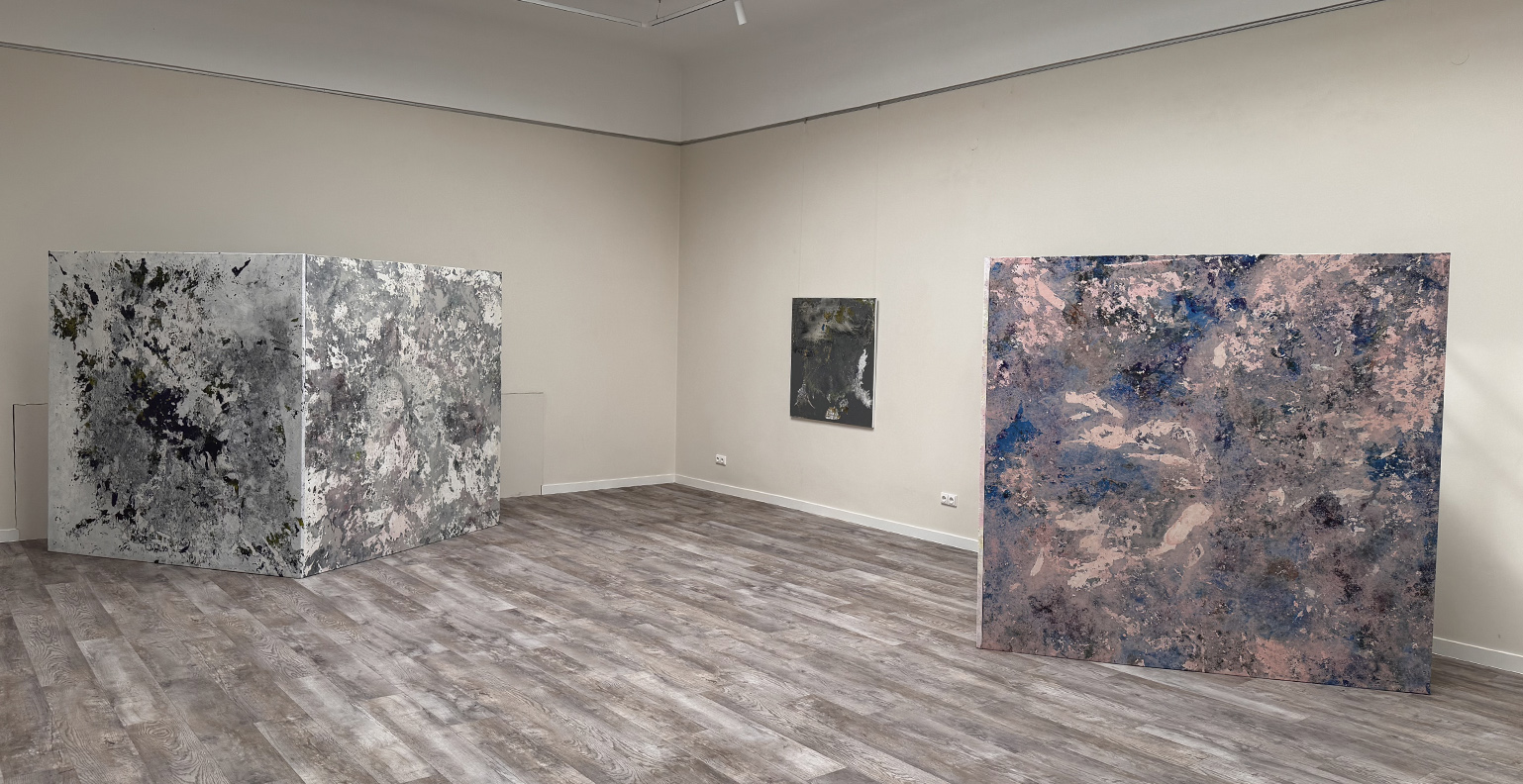
In Latvian artist Māris Čačka’s solo painting exhibition Metlaikis, the cyclical nature of the natural world forms the conceptual foundation, yet the works do not depict landscapes or recognisable signs of the seasons. Instead, colour, line and space create a visual language whose meanings gradually unfold through sustained observation. Čačka’s compositions remain open to the viewer’s own experiences, memories and associations, making each encounter with a painting distinctly individual.
In these canvases, time does not signify a linear sequence of events. The emphasis is on transformation, understood not as the loss of what came before, but as a natural part of development, in which every ending is inseparable from the possibilities offered by a new beginning.
The exhibition’s presentation at the Čiurlionis Gallery, a space that continues to resonate with the spirit of Mikalojus Konstantinas Čiurlionis, adds another layer of meaning. It highlights a certain affinity between the worldviews of Čačka and Čiurlionis. Both artists approach nature as a space for contemplating silence, memory and continuous rhythmic change. Dialogue therefore occupies an important place in Čačka’s artistic practice.
It emerges between the artwork and the viewer, between space and colour, and between what is seen and what is sensed.
Metlaikis is not an interpretation of the four seasons. In Čačka’s paintings, time is understood not as a chronological category but as an experiential phenomenon, revealed through the reciprocal relationship between the individual and the surrounding environment.
Curator: Arvydas Martinaitis, lecturer at Kauno kolegija and painter