From 12 August 2022 till 26 August 2022 artist Māris Čačka participated in XII International Plein Air at „Eglės sanatoriją“ in Druskininkai, Lithuania.
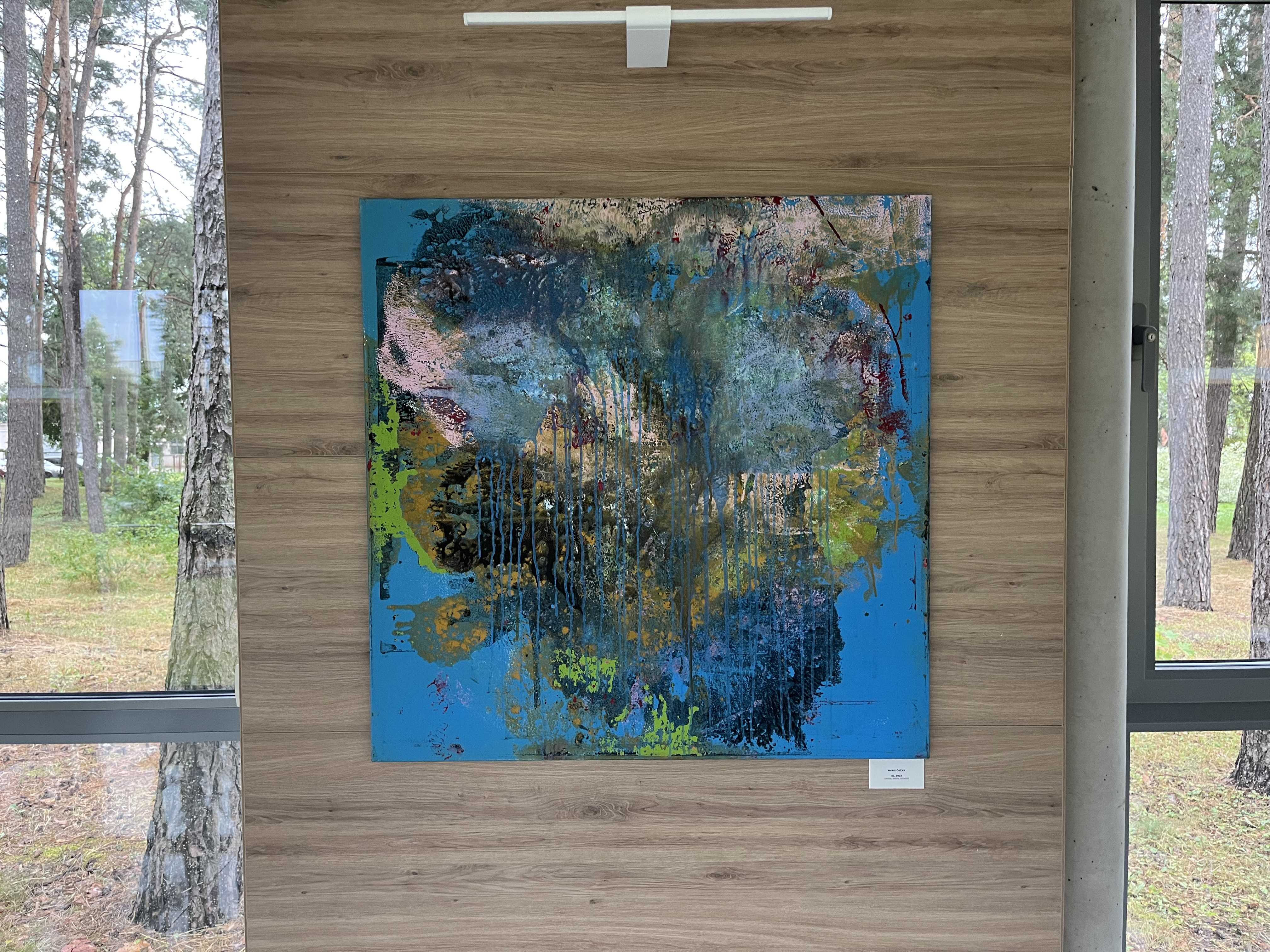

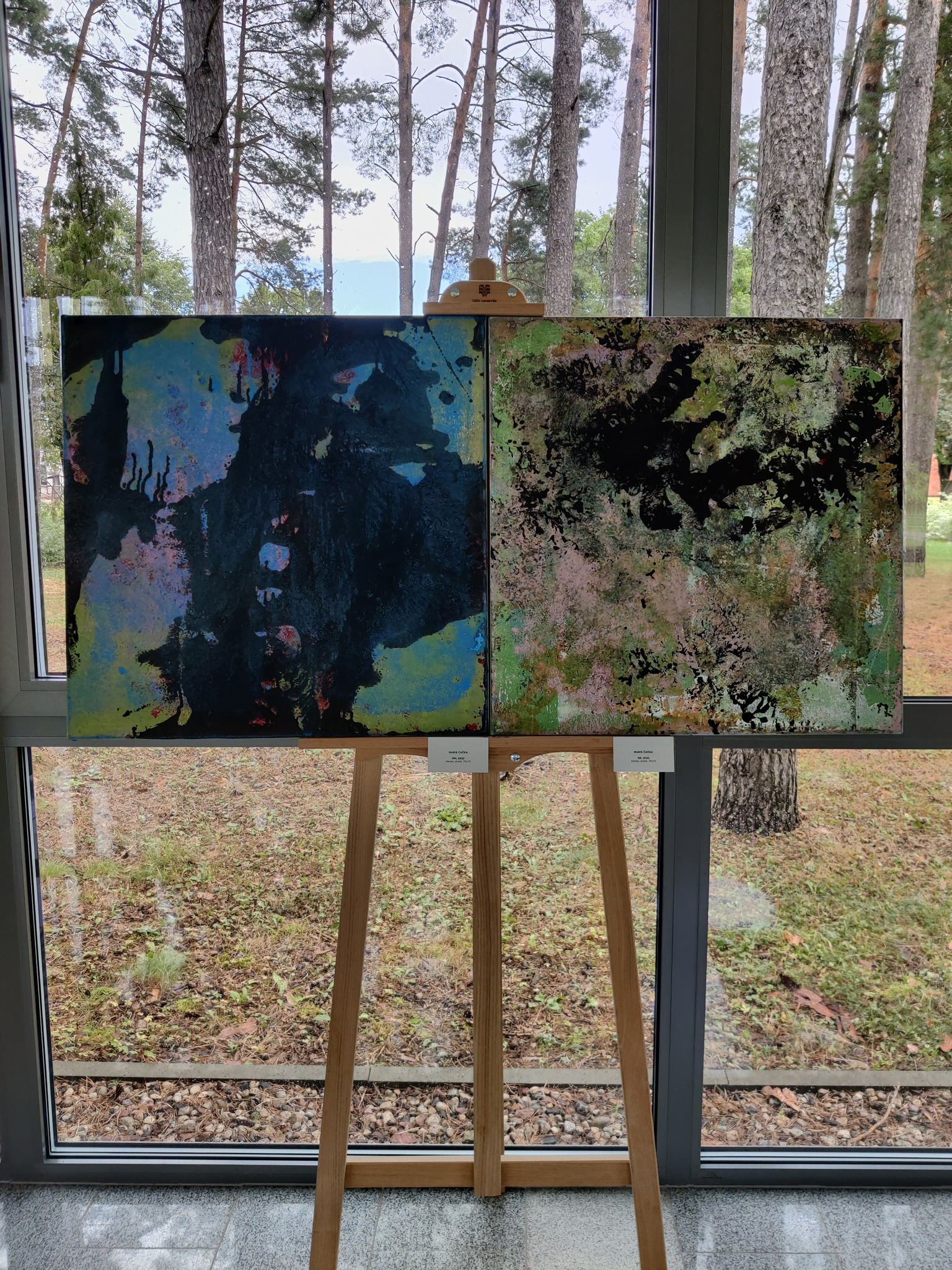
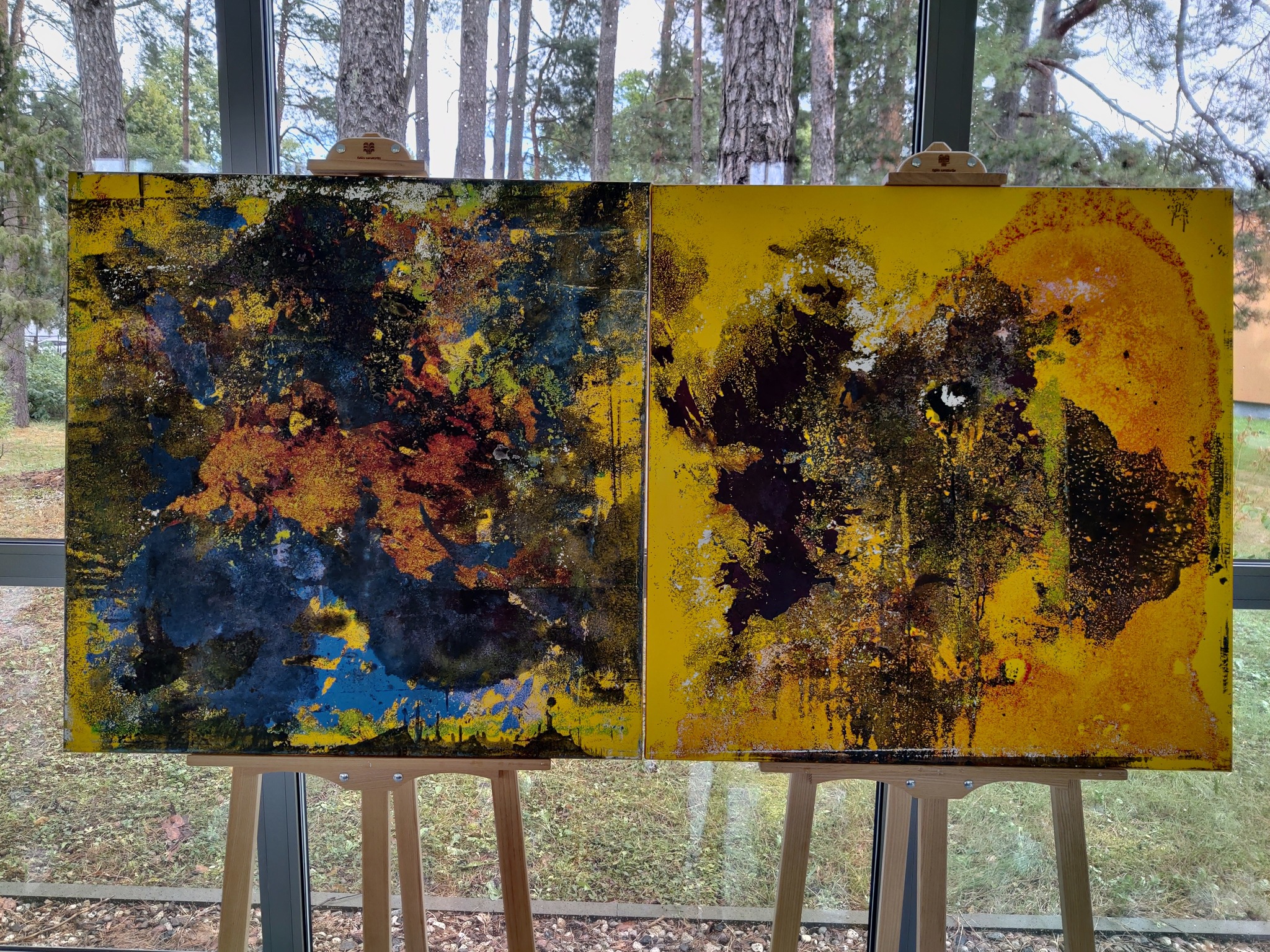
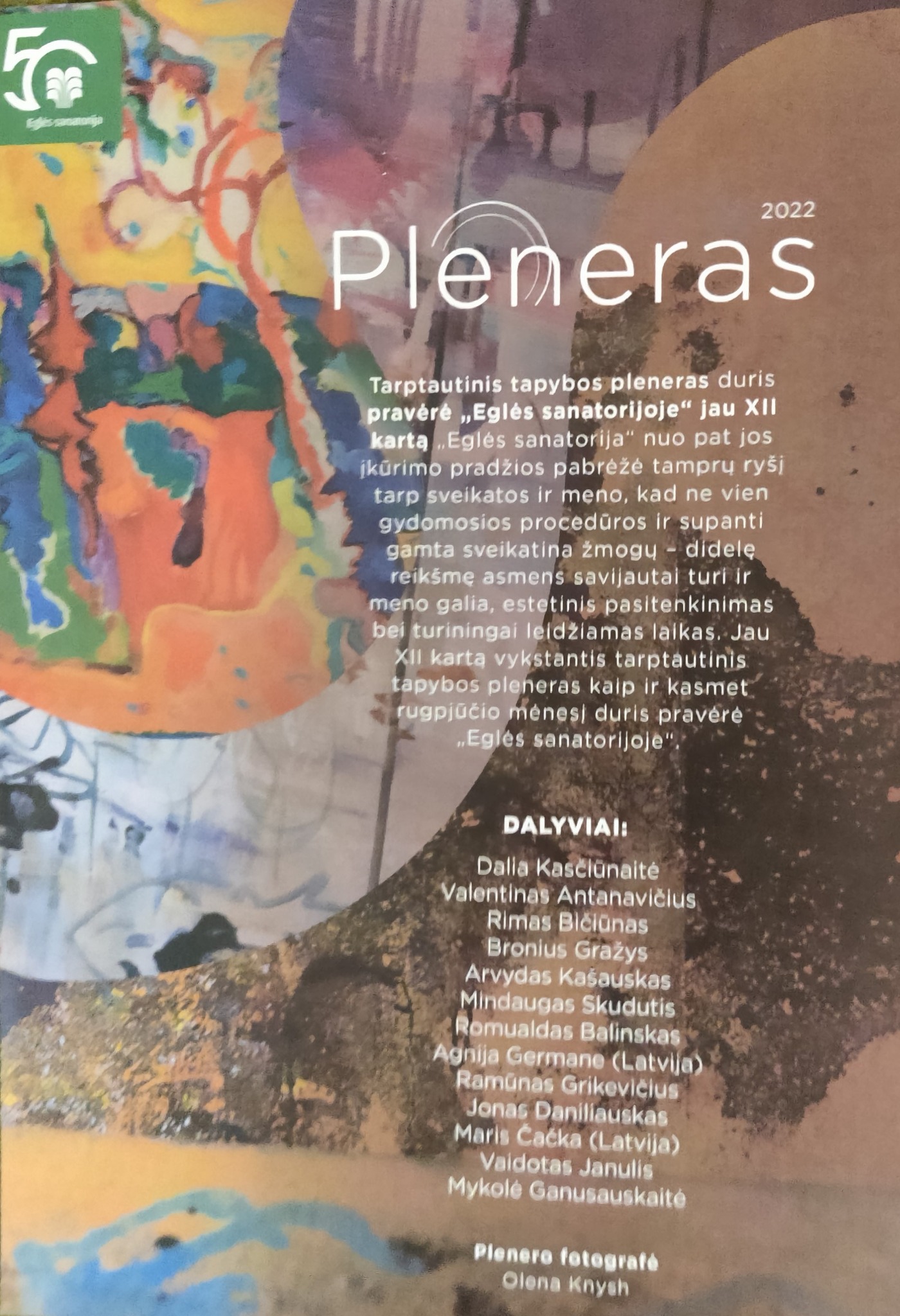


From 12 August 2022 till 26 August 2022 artist Māris Čačka participated in XII International Plein Air at „Eglės sanatoriją“ in Druskininkai, Lithuania.

On the occasion of the city of Zarasai’s birthday on 13 August at 5 p.m. the Zarasai Regional Museum (LT) presents an International group exhibition “Sivia galerija formas” by five Latvian artists (Vineta Kaulača, Aivars Baranovskis, Baiba Priedīte, Māris Čačka and Sigita Daugule).
The exhibition is on view until 17 September 2022.
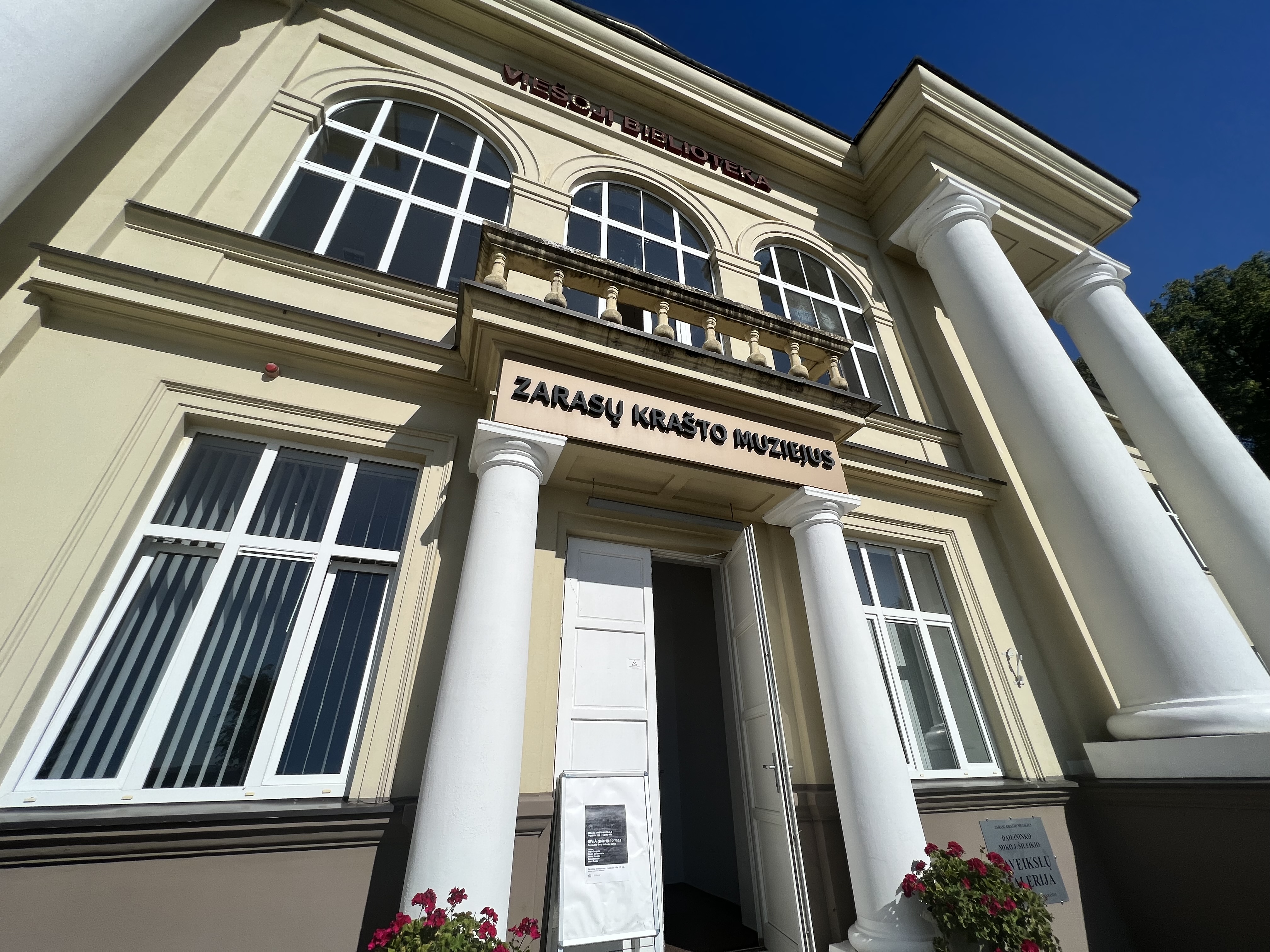


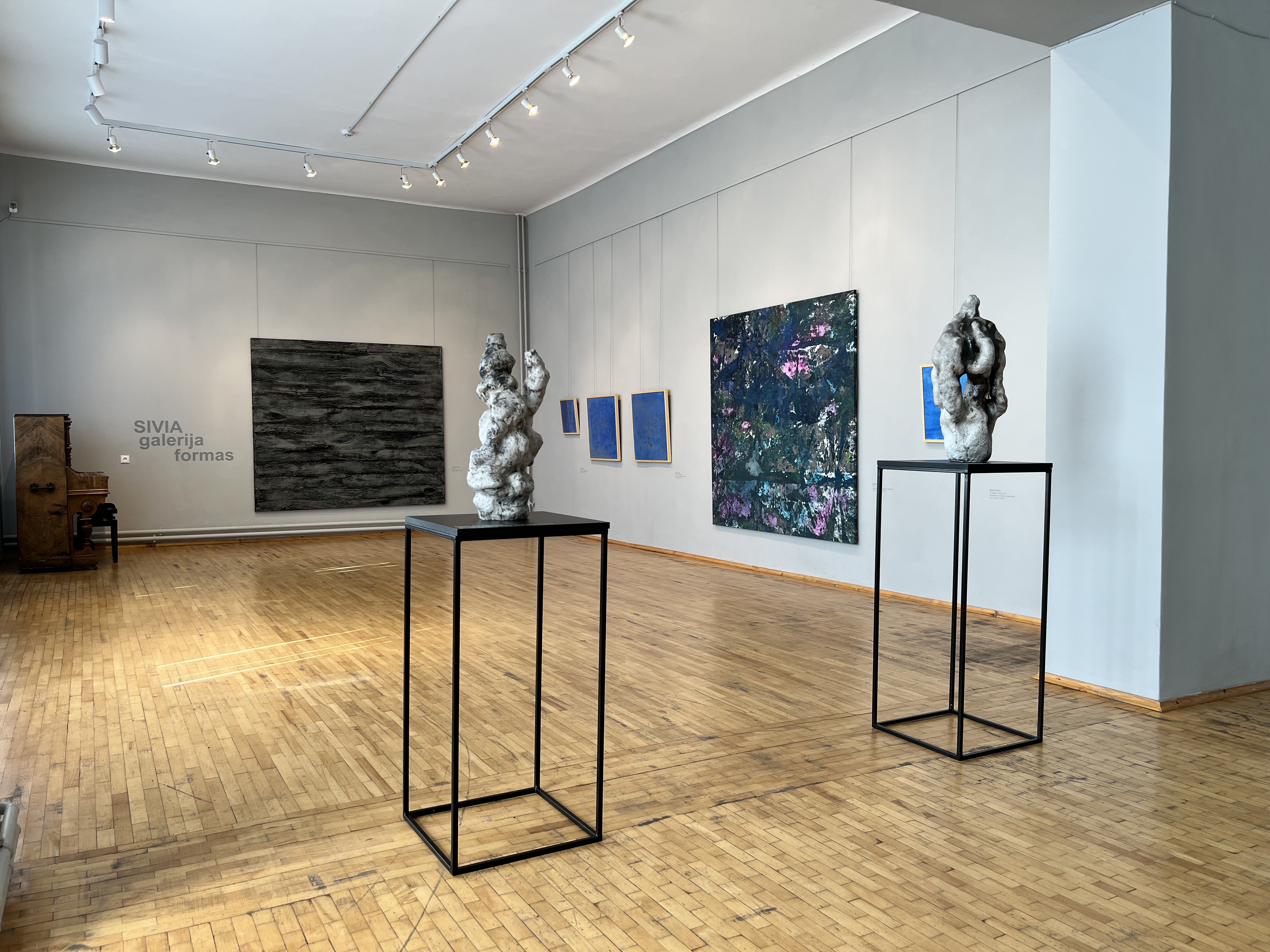


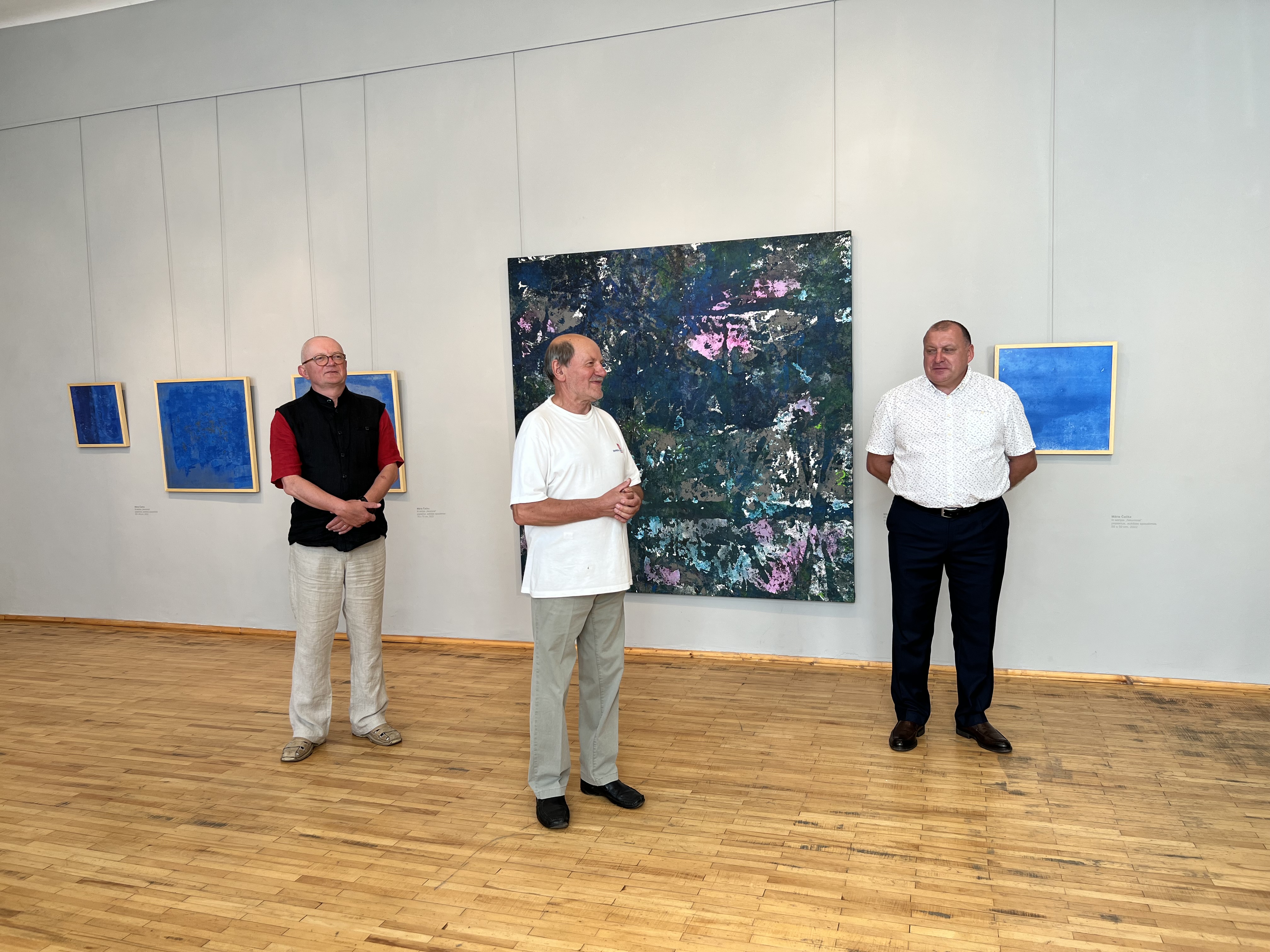


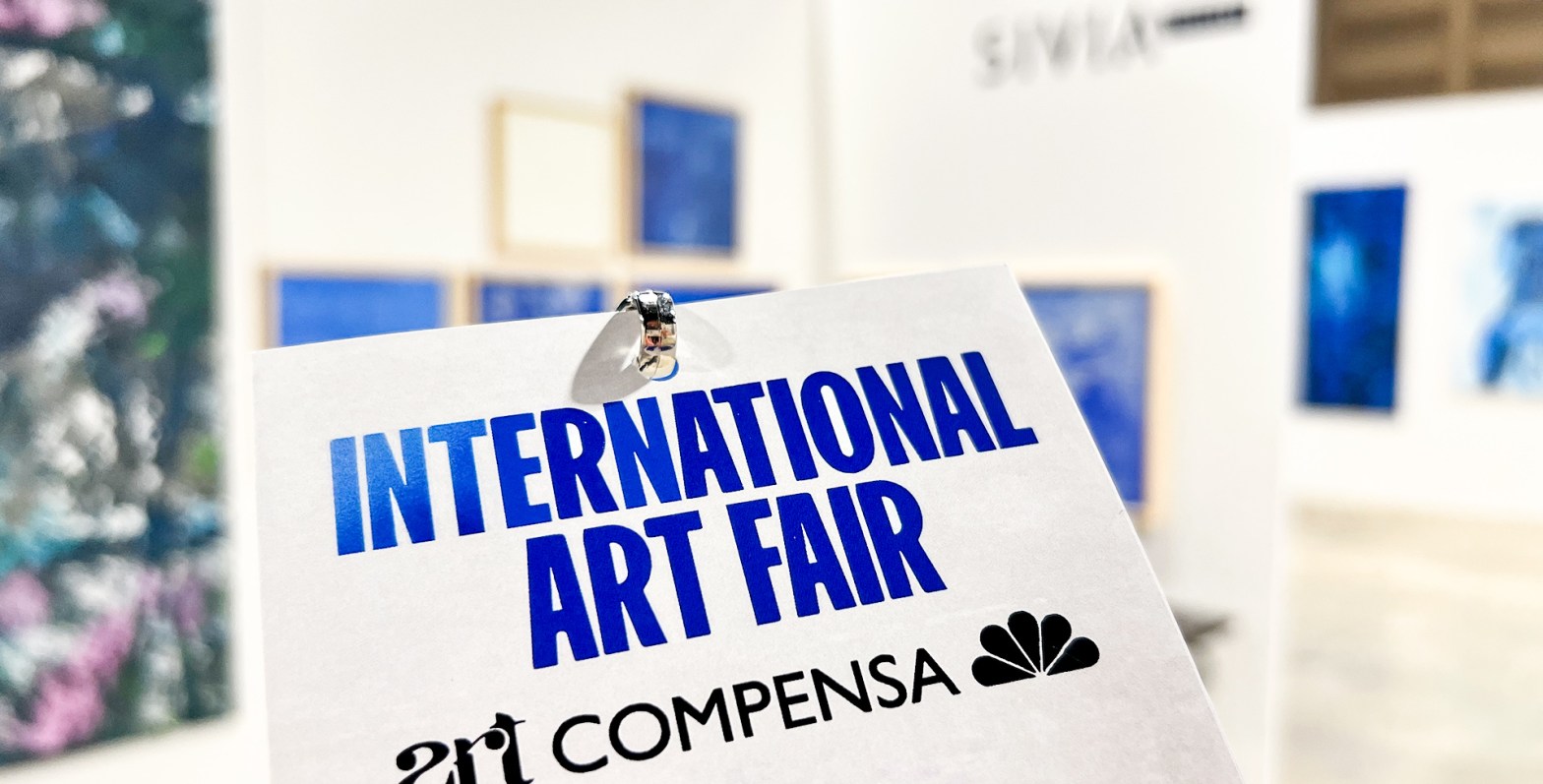
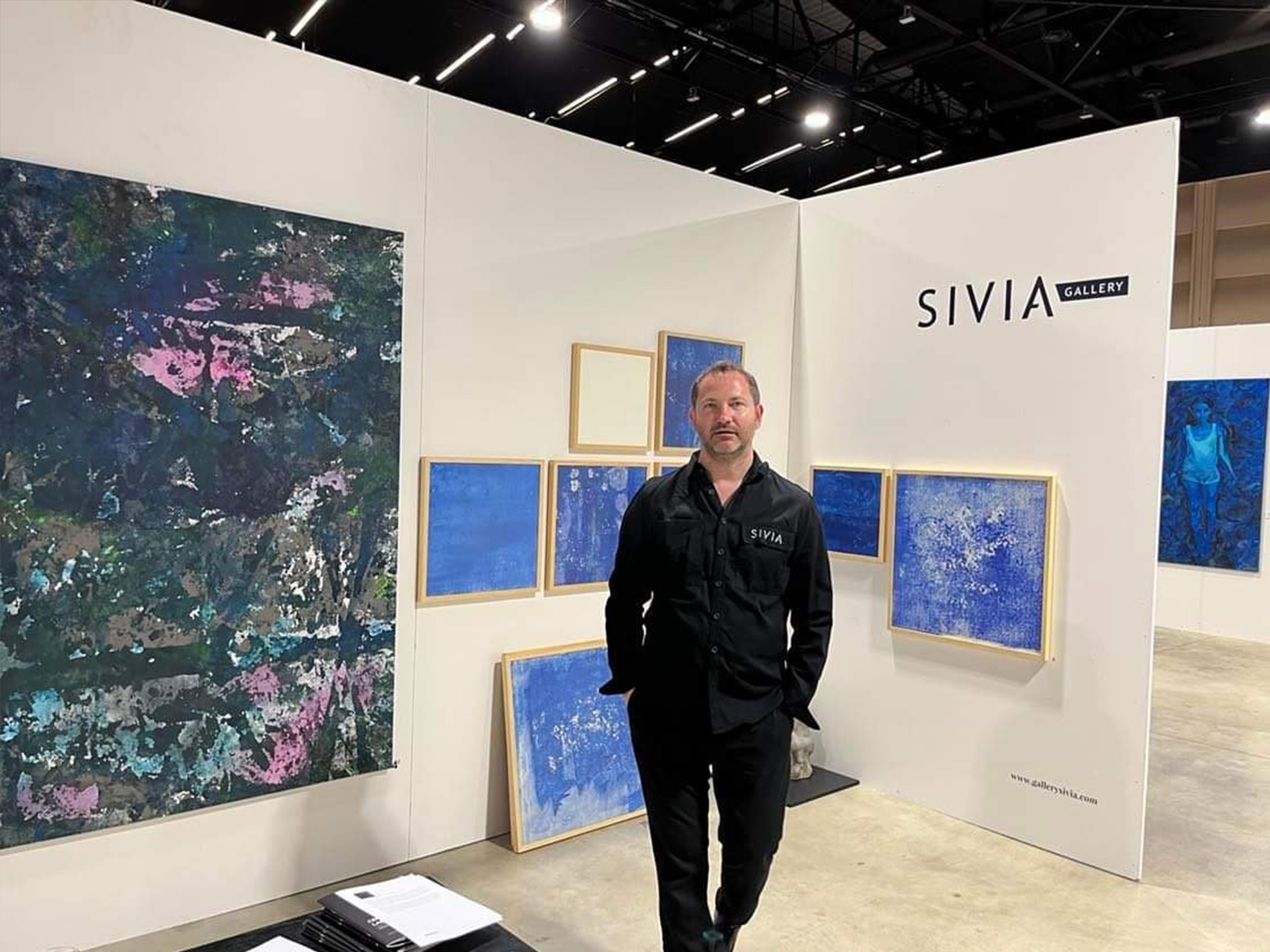
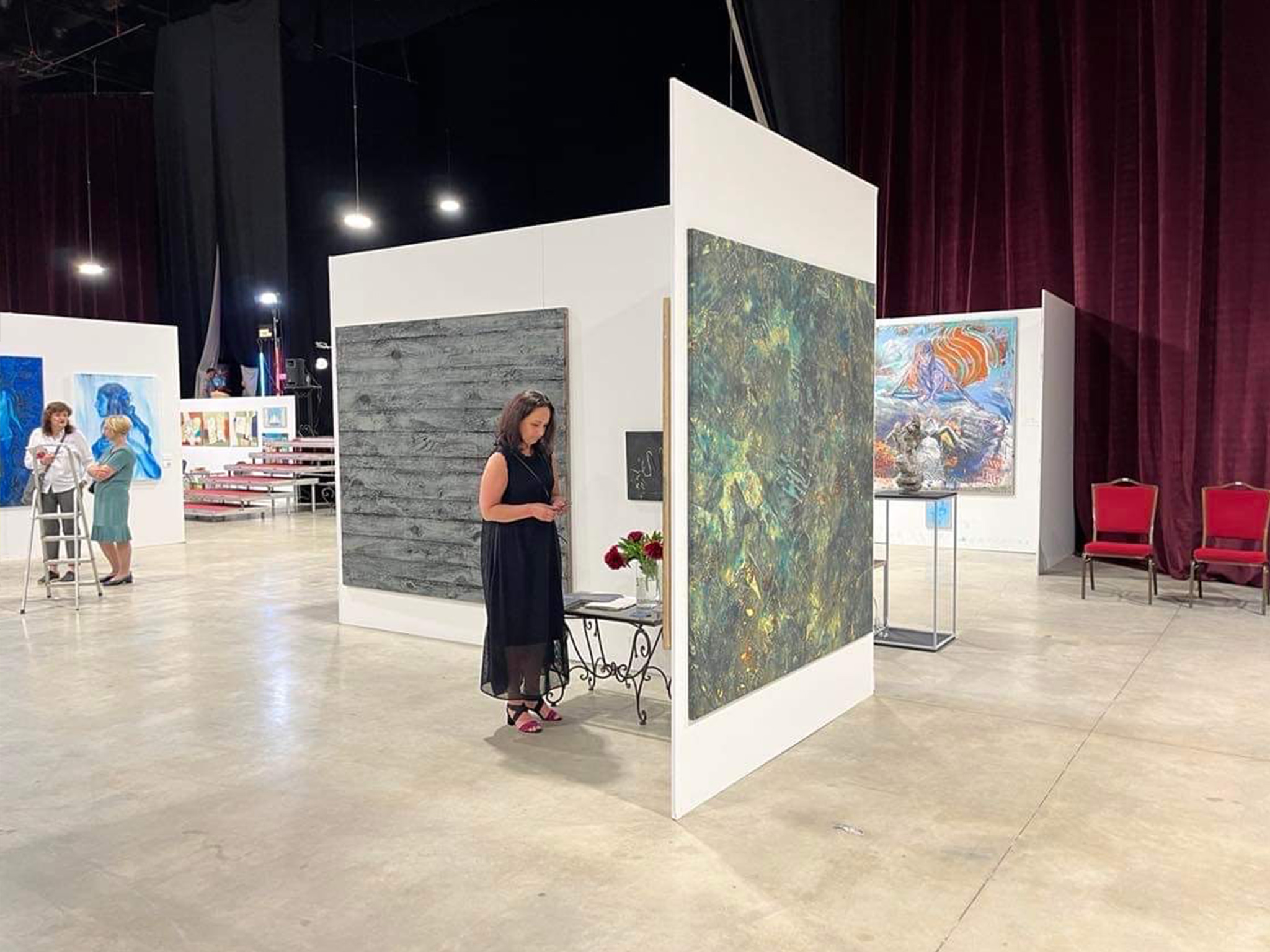
From 10 to 12 June, SIVIA Gallery will present artworks by 4 wonderful artists from Latvia –
Aivars Baranovskis, Māris Čačka, Sigita Daugule and Vineta Kaulača.




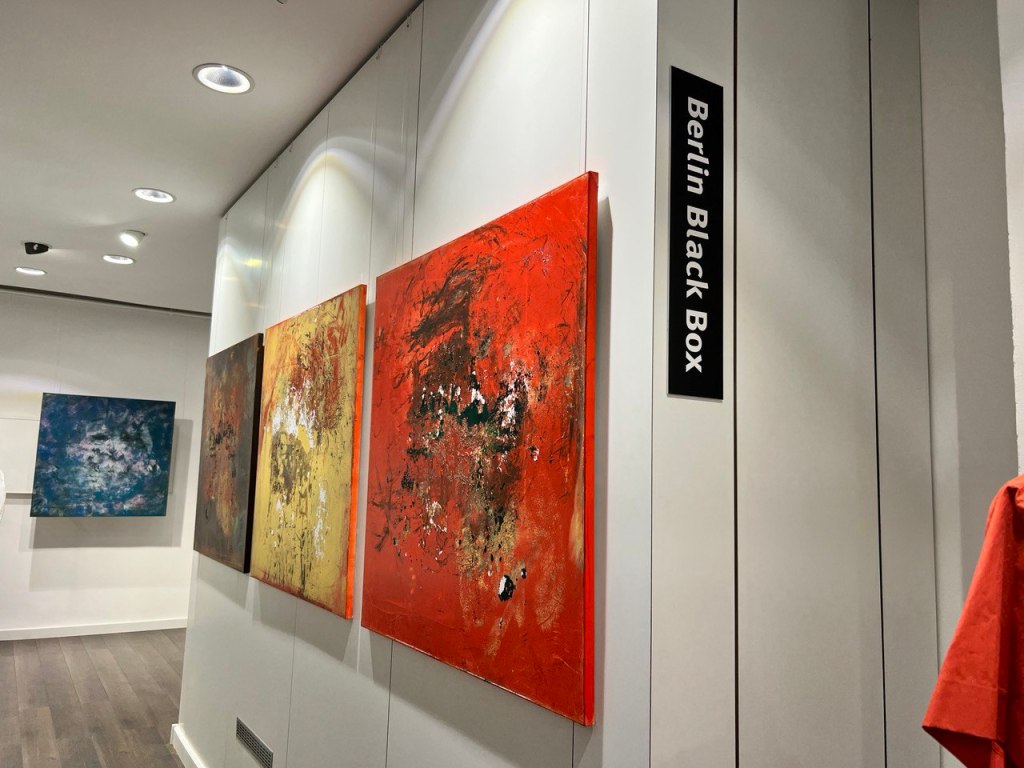
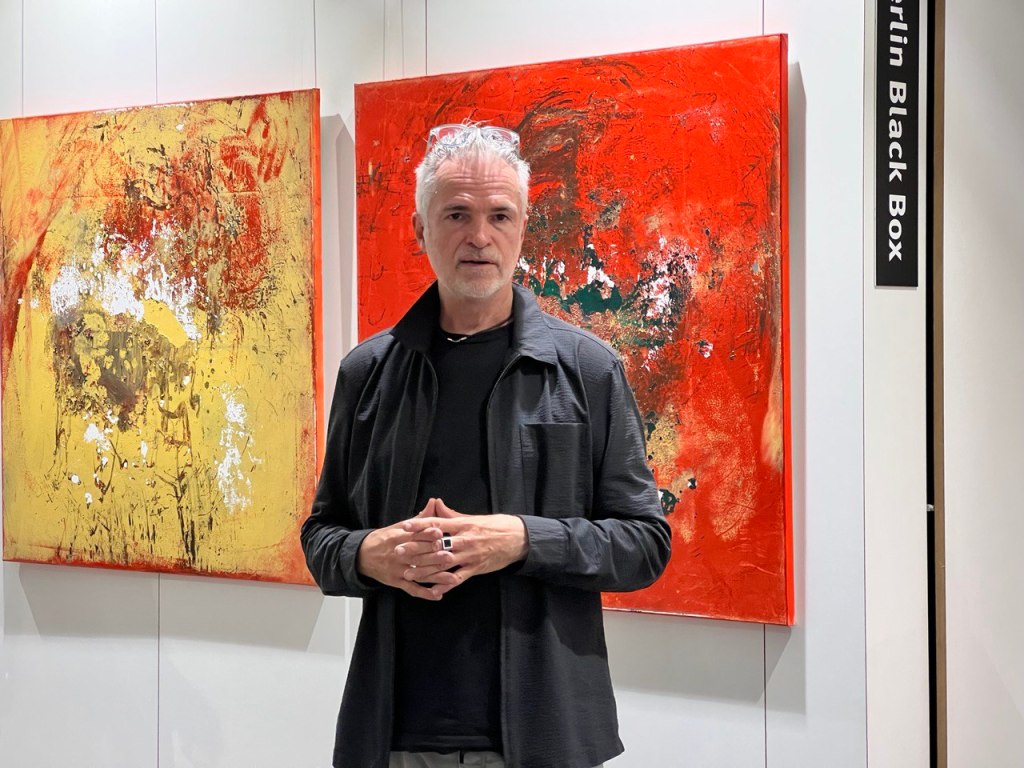
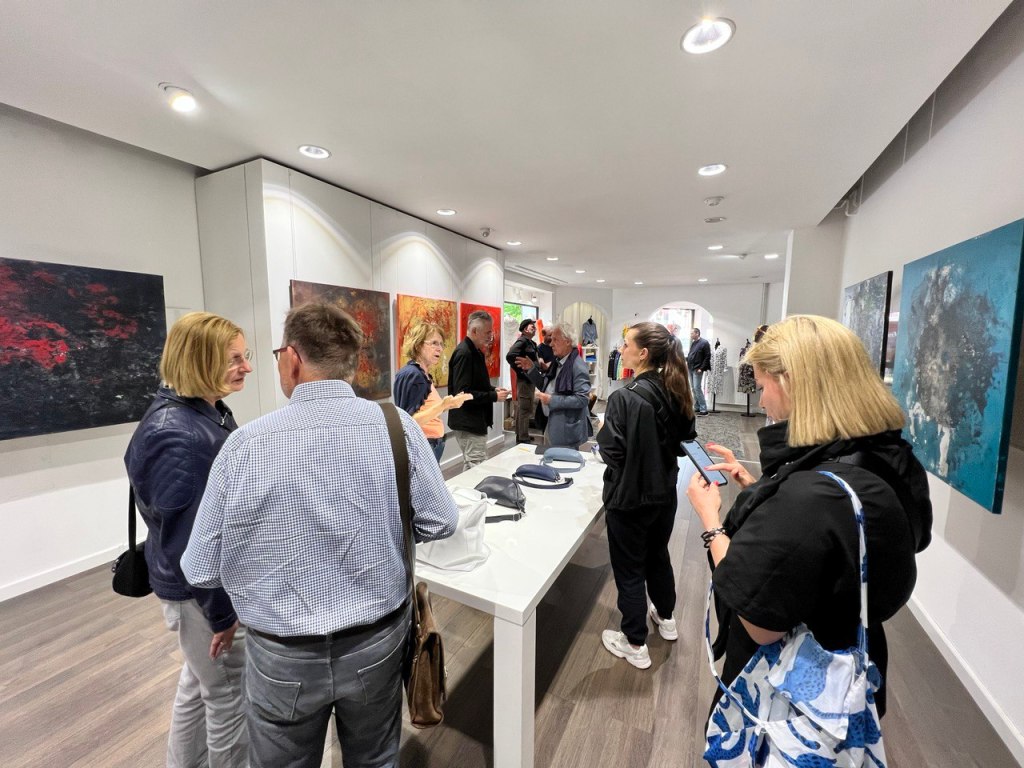
Māris Čačka’s solo exhibition ME.REFLECTIONS is on display from 7 May till 11 June 2022 at the Berlin Black Box Pop-Up-Gallery @ Siggel Art+Fashion (Altvaterstraße 2, 14129 Berlin).
The works are complex in terms of technology and content. They appear as imaginary dialogues between the author and his contemporaries about the meaning of the world.
The intuitive expression, structures, rhythms and symbolic messages aim to achieve emotional harmony.
https://www.berlinblackbox.com/projects/phaenom.fragment/



The Rothko Centre is about to host the 10th International Latgale Graphic Art Symposium – the most significant international event in the graphic medium held in the Latgale Region. The symposium is produced by the SIVIA association, and this is its eighth iteration in the Daugavpils Mark Rothko Art Centre symposium framework. So far, this creative forum has brought together more than a hundred graphic artists from thirty-five countries. Today, it continues to revitalise the graphic medium in Daugavpils and raise the international visibility of Latgale through various printmaking activities, drawing new visiting artists to the region and maintaining other kinds of targeted efforts that keep shaping Latgale into an excellent space for creative work with an attractive international profile.
The symposium will run in Daugavpils from 13 to 27 May 2022. The list of participants includes eleven artists from eight countries: Tommy Schneider (Austria), Michael Schitnig (Austria), Inga Heamägi (Estonia), Lembe Ruben (Estonia), Vaidotas Janulis (Lithuania), Vaiva Kovieraite-Trumpe (Lithuania), Elisabet Alsos Strand (Norway), Hongge (Mary) Zhang (China), Charlotte Dorn (Germany), Robert Rabiej (Poland) and Dana Vasiļjeva (Latvia).
The symposium fortnight will offer discussions and workshops for practising artists and non-professional art lovers and will culminate with an exhibition opening and a symposium catalogue, demonstrating the diversity of formal solutions and themes pursued by symposium artists.
The symposium will formally start at 3 p.m. on 14 May 2022 at the Daugavpils Culture Palace, with the opening of Myth, Symbol and the Universe – an exhibition by Gunārs Krollis from the Daugavpils Mark Rothko Art Centre collection. The new show is a tribute to the master of Latvian graphics on the verge of his upcoming anniversary – a comprehensive visual record of how personal impressions and discoveries derived from lived experiences and extended studies of the world’s religions and cultures have continuously framed his reflections and creativity. Krollis’ refined artistic style rests on a rich creative vocabulary brimming with diverse and expressive imagery and rhythmical patterns of lines and fields, arranged into stately compositions and polished to perfection by the artist’s consummate touch. Myth and symbolism are the principal contexts for his imagery, and it is equally true for individual images and their constellations. Krollis balances them with visual references to the Universe and the subconscious, revealing his profound reflections on the meaning of life and today’s moral and ethical values and norms.
Krollis’ impressive exhibition record is one of the longest across the entire field of Latvian graphic art. Dating back to the first public display in 1956, it includes hundreds of exhibition projects in Latvia and beyond – in Europe, the States and the Middle East – and several family shows with Izabella Krolle and Inguna Krolle‑Irbe. The artist’s work is held in numerous public collections, most notably at the Daugavpils Mark Rothko Art Centre, the Latvian National Museum of Art and other leading museums in the country, the Tretyakov Art Gallery and the Pushkin Art Museum, Russia and in multiple private collections domestically and beyond.
The symposium is supported by the State Culture Capital Foundation and the Daugavpils City Council. The project is funded by the Latgale Region Development Agency and the Cultural Programme for Latgale by Latvian State Forests and State Culture Capital Foundation.
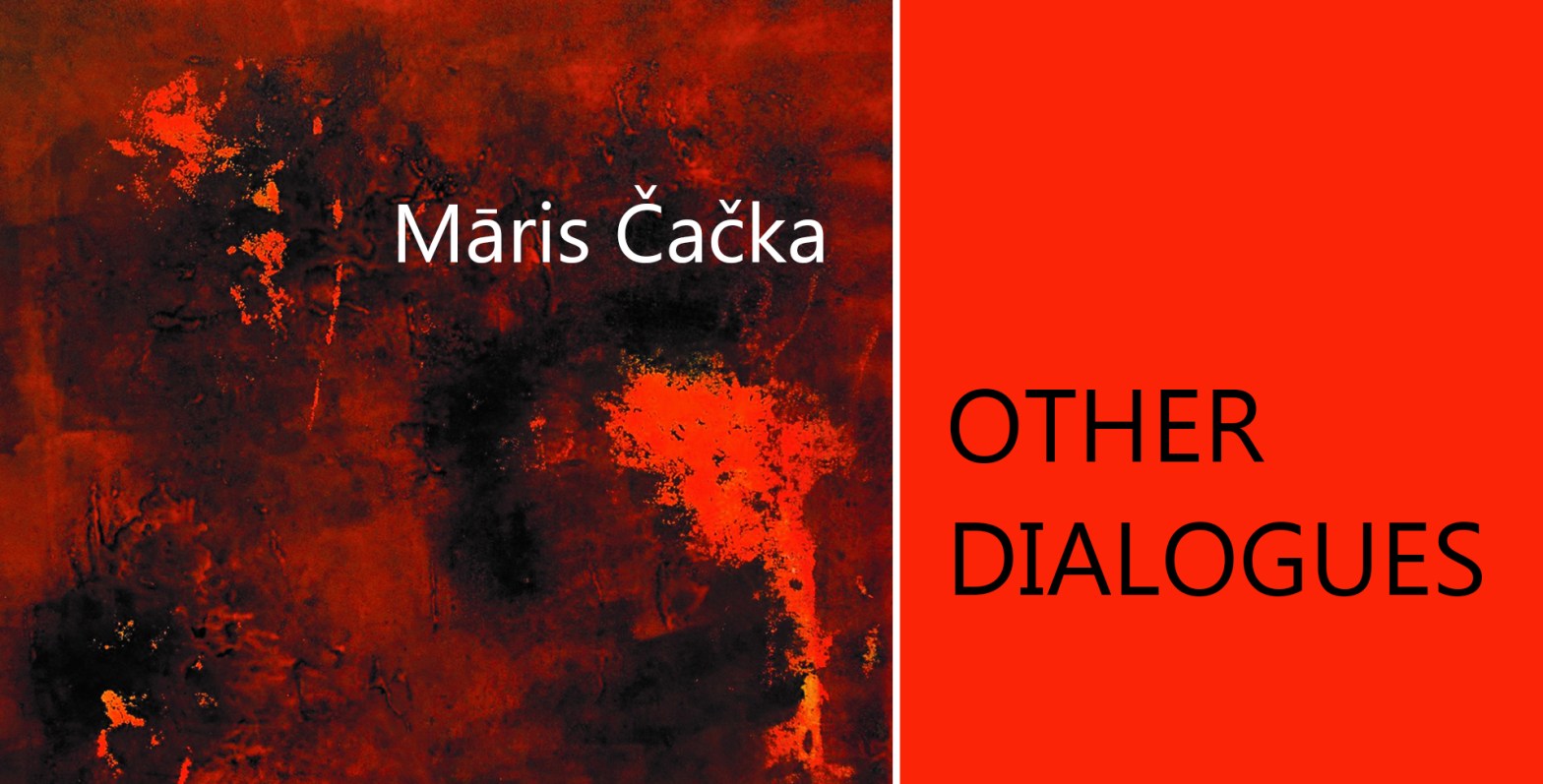
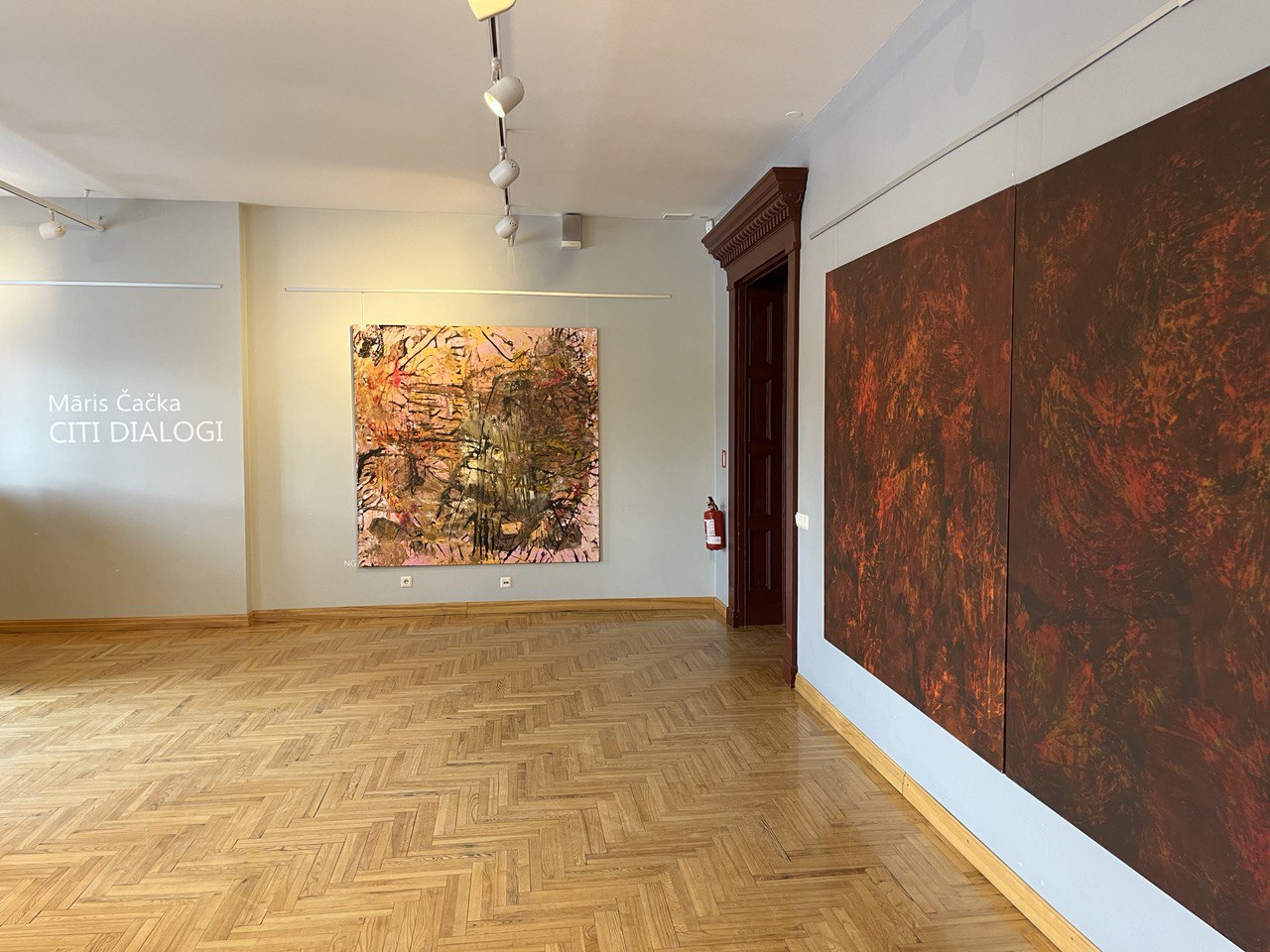
Māris Čačka’s latest solo exhibition OTHER DIALOGUES is on display from 24 March till 9 August 2022 at the Valka City Culture House (Emīla Dārziņa Str. 8, Valka, Latvia)



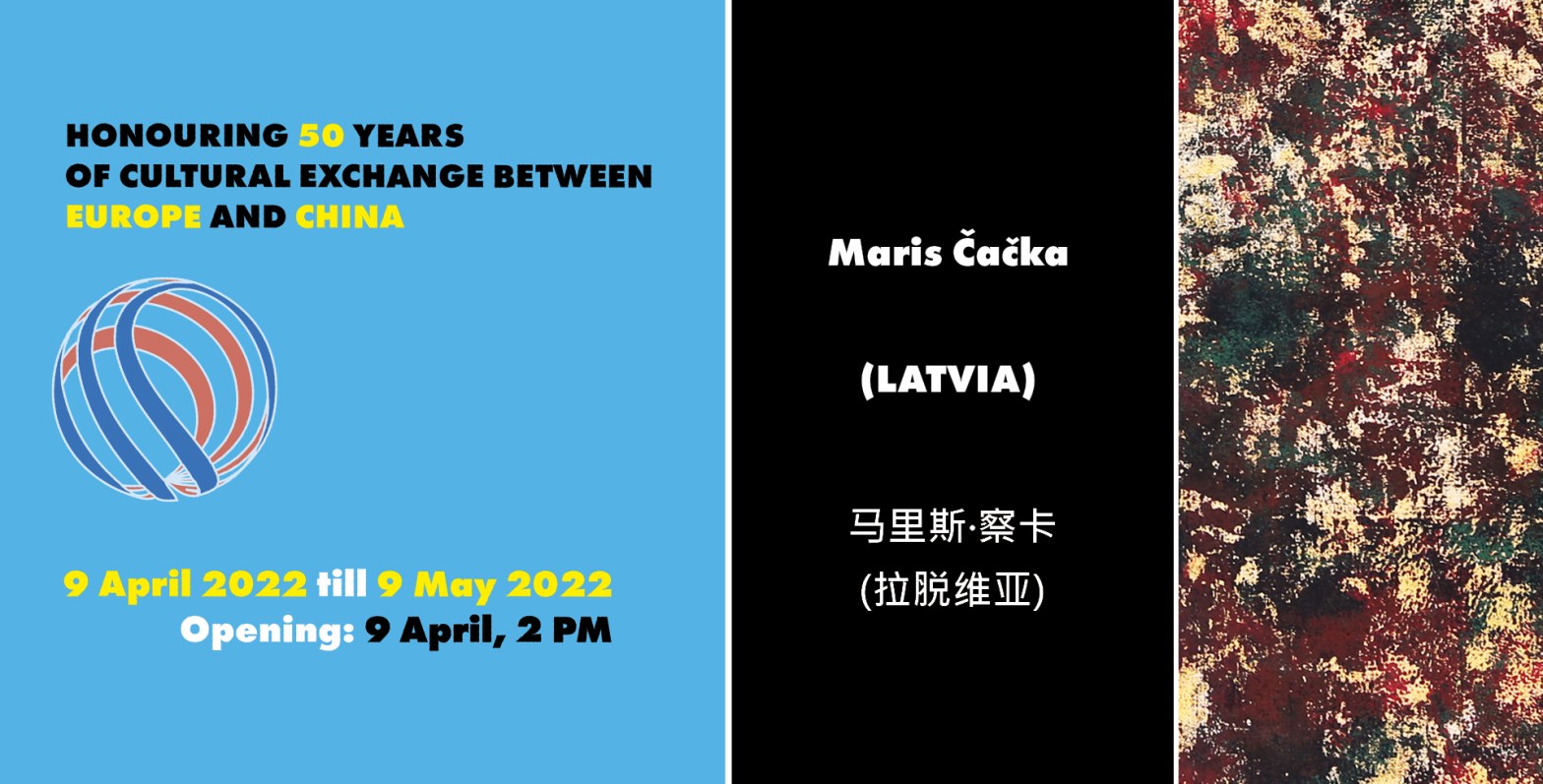
From 9 April till 9 May 2022 on view an exhibition at the Archive Art Museum in Beijing 2022!
ORGANIZERS: Archive Art Museum, Pashmin Art Consortia


“My work embodies the most incredible states of the soul, and in it, I comment on people and situations. My expression is poetry rather than prose because when I work, I break away from pragmatic tasks and follow the subconscious,” says the artist Māris Čačka.
He labels his work with compact titles, such as OV, MR, TC or JE. They identify the canvasses but give no further clues for interpretation. According to the author, the titles can hold the initials of someone’s name or represent an encrypted conversation in the real world or the fiction realm. Even if the initials were revealed in full, the visual impact of the canvass would give more information and ground for reading the work than the title. The initials are an intimate diary, not a public declaration. On the other hand, the works on paper in the Intro Hall are classic graphical art (paper, letterpress, congreve, water-based printing dye), and its thematic appeal stems from the footprint motif.
But what exactly are neuro-pathways, and where do they lead? The forty works in the Great Hall are portraits and dedications produced in the indefinite zone between painting and graphics, but their form is not figurative or even abstract. The artist intuitively grasps the scattered “substance” of creative impulse but does not cling to it in an attempt to mould a specific person or symbol. He sticks to what “thickens” only enough to make the idea visible on canvas. Some works may recall the exquisite darkness of Old Master painting, others resemble the variegated textile printing of the 1950s, and still others remind of the morphological computer art of the 1990s. Čačka’s every work can spark instant associations with something known, but the mirage dissolves just as quickly. The viewer’s attention is caught by the dynamism of the works – the self-movement of form seems much faster than it is in realism and abstraction, faster even than the formal dynamism cultivated in modern art, but its nature suggests primeval chaos rather than calculated intention.
The “internal speed” of the works and their densely emotional textures suggested the exhibition title – Neuro-Pathways. It is a lyrically stylized concept from the neuroscience vocabulary, and its main context is today’s humanitarian challenges – the crisis of human cognitive abilities in the conditions of so-called multitasking. As scientist Adam Gazzaley puts it, in many ways, we are an ancient brain in a high-tech world. “The conflict is between our goal-setting abilities, which are so highly evolved, driving us to interact in high-interference environments to accomplish our goals, and our goal-enactment abilities, which have not evolved much at all from our primitive ancestors, representing fundamental limitations in our ability to process information. It is this conflict that results in goal interference and generates a palpable tension in our minds – a tension between what we want to do and what we can do.”1
Čačka’s work is a palpable visual metaphor for this current state, when an abundance of goals and interferences break out into sudden and surprising reactions, fragmenting and traumatizing ideas, creating an “impossible” technological mix, forgetting historical boundaries and forming unprecedented hybrids. Our ancient brains, which have humanized us by their tendency to perceive the “insignificant,” continue to do so today, but in the age of technology, the information flow becomes disproportionate and keeps “hurling” our minds through thousands of neuro-pathways. To paraphrase Gazzale, we can visualize Neuro-Pathways as a conflict between a mighty force, represented by our goals (in the context of this exhibition – intuition and imagination), which collides head-on with a powerful barrier, represented by the limitations to our cognitive control (material resistance and scale). Something deeply romantic, even tragic, flashes in the description of this contemporary clash. Farewell, the clear concepts of modernism, farewell, the apparent control of postmodernism. As a gardener, Māris Čačka hybridizes his works in a stylistically fresh (post-post) and aesthetically original form, and they race towards the unknown, at great speed and with intense romantic fervor. Their textures flash the values of historical romanticism – lyrical dreaminess, heroic elation and transformed tradition (embodied, for instance, by the Latgale glazed pottery greens or the grassy greens), and visible manifestations of sincere and profound reflections displayed for popular entertainment.
Čačka admits that he used to define all his work as “graphic art”, including the canvasses, because they are made with graphic techniques such as monotype, flat print, and others. “But I also deliberately use the technical “wrongs”, such as wet-on-wet or slippage,” he adds. One of the ways how contemporary painting develops is by absorbing various techniques, also graphical, and Māris Čačka contributes to this with his Neuro-Pathways (incidentally, this has also been done by other Latvian artists: Jānis Mitrēvics has used screen printing in the manner of drawing in his oil paintings of the 1990s; Kristaps Ģelzis has been integrating intarsia in his “film paintings” since 2011, and Sandra Krastiņa has been reusing her own templates, to name just a few).
In contrast to the Great Hall, the Neuro-Pathways in the Intro Hall are sophisticated graphics based on tradition. We see Čačka’s technical skill and a consistent poetic message in recurrent motifs of the bright blue color and traces of tiny footprints or scattered petals that seem to be leading us through the exhibit. At first glance, the works seem lyrical and playful, toying with the technical possibilities of congreve on paper and silver-metal laminated cardboard. But the two exhibition spaces are actually surprisingly close. If the visual language and content of the Great Hall echo the 21st-century cognitive crises, a distinct chronology of crises also applies to the Intro Hall – the works displayed there may be perceived in the context of a culture that emerged a century earlier when human spirituality came to be strongly affected by psychoanalysis. Freud was among the thinkers of the post-Christian era who challenged the world by formulating the libido and erotic dimension of life and argued that a future without illusion requires working with oneself and tending “one’s inner garden”. Čačka takes us in just into such a garden – the blue and speckled graphics in the Intro Hall are aestheticized pathways for overcoming one’s private neuroses. In this exhibition, the author opens up about himself and the people around him with ultimate tact and discretion and, to borrow from the neuroscience vocabulary, embodies the highest levels of cognitive ability – wisdom and feeling.
Organizers: “Riga Art Space” Exhibition Hall of the Association of Cultural Institutions of Rīga Municipality.
The exhibition is supported by the Rīga City Council, the State Culture Capital Foundation, SIVIA Association, INSPAIRUM and the Art Station Dubulti.

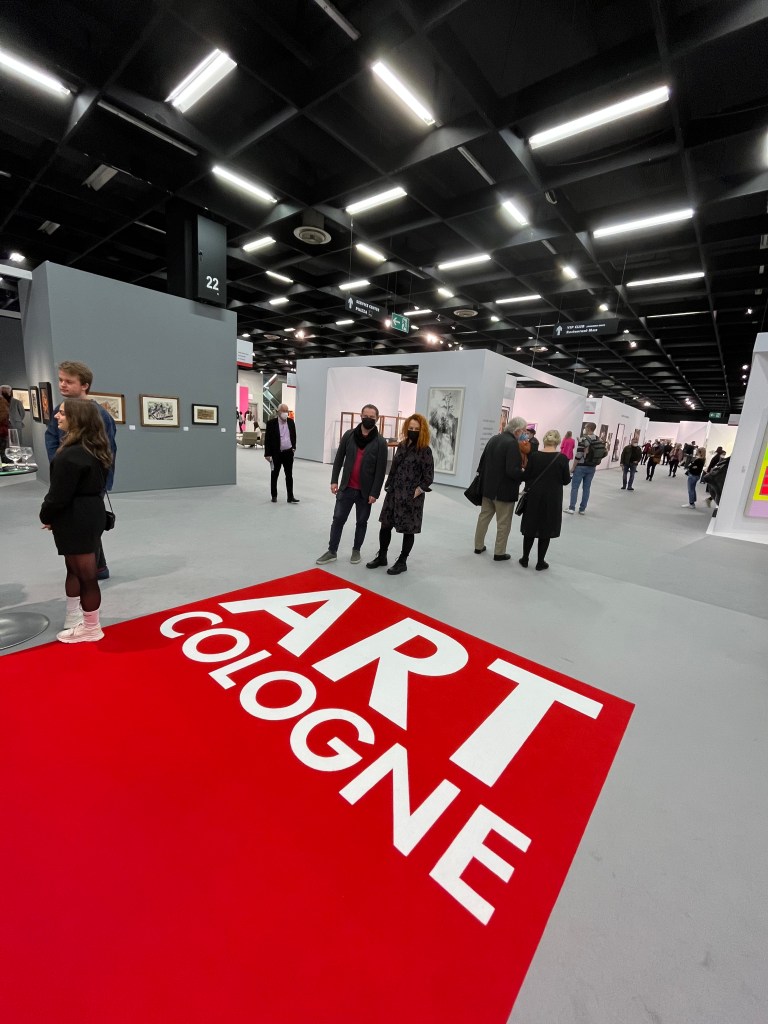
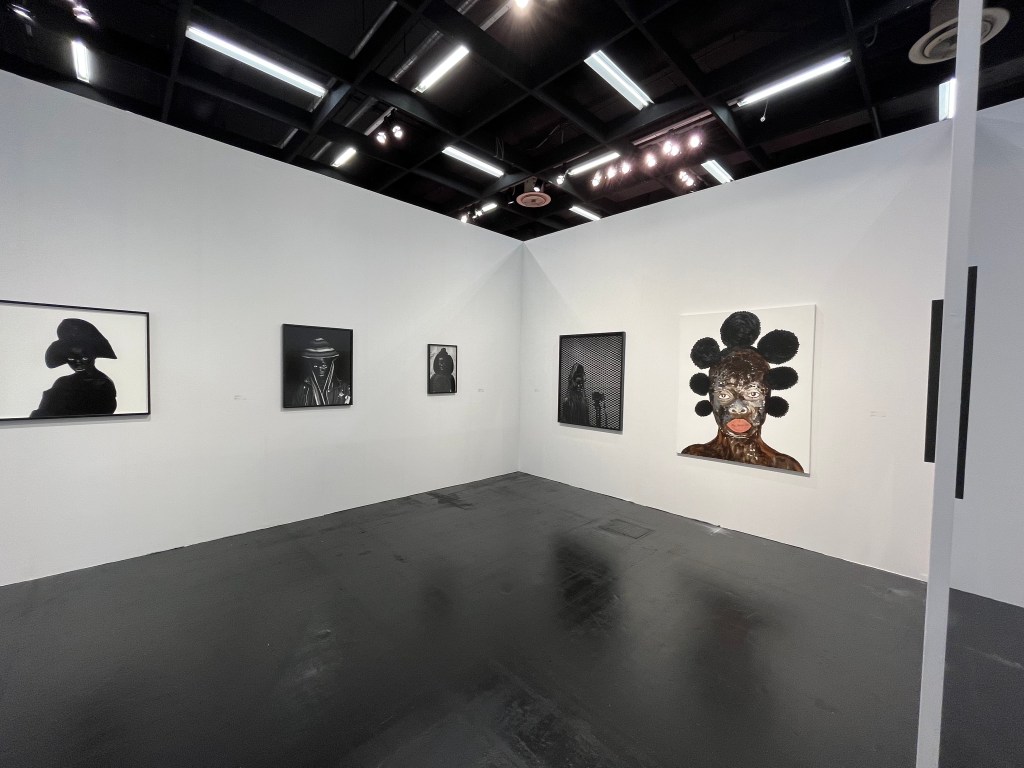
From 18 November till 20 November 2021, the team of the “SIVIA Gallery” had the pleasure of visiting and meeting the wonderful artists and participants of ART COLOGNE 2021 in Cologne, Germany.
It was a pleasure to meet the German artist Caro Jost and it was a special honor to see the artwork of Latvian artist Amanda Ziemele (Natalia Hug Gallery).




Second printmaking studio program of Graphic Art took place from 15 June 2021 until 15 October 2021.
The main aim of the program was to ensure the availability of professional graphic art in the Latgale region in order to increase the quality of the cultural environment and provide the public in Latgale with an opportunity to enjoy high-quality professional art products and events.
A total of 20 master class-type graphic lessons were implemented for graphic enthusiasts in a group of 6 participants, ensuring the acquisition of the professional basics of graphic media and promoting the understanding of composition in art.
Participating Artists: Anna Vnukova, Jolanta Ābele, Viktorija Kozlovska, Olga Vnukova, Tatjana Černova and Veronika Maizīte.

Have a WordPress.com account? Log in now.

